
There’s nothing quite like stepping into the shower after a long day, expecting a refreshing cascade of water, only to be greeted by a disappointing trickle. Low shower pressure is one of those household frustrations that can turn your daily routine into a test of patience. Whether you’re trying to rinse shampoo from your hair or simply enjoy a relaxing shower, inadequate water pressure can make the experience feel incomplete and unsatisfying.
The good news is that weak shower pressure isn’t something you have to live with indefinitely. Understanding what might be causing the problem is the first step toward finding a solution. From issues within your home’s plumbing system to factors affecting your entire neighborhood, there are various reasons why your shower might not be performing as it should. Let’s explore the common culprits behind low shower pressure so you can better understand what’s happening behind your bathroom walls.
Understanding Your Home’s Water Pressure System
Before diving into specific problems, it helps to understand how water reaches your showerhead in the first place. Your home’s plumbing system is designed to deliver water at a consistent pressure throughout various fixtures. Water travels from the main supply line through a network of pipes, eventually reaching your bathroom. Along this journey, the water pressure can be affected by numerous factors, both inside and outside your home.
Think of your plumbing system like a highway for water. Just as traffic can slow down due to construction, accidents, or too many cars on the road, water flow can be impeded by various obstacles. The pressure you feel at your showerhead is the result of water successfully navigating through this entire system. When something disrupts this flow, you’ll notice the difference immediately.
The complexity of modern plumbing means that pressure problems can originate from many different sources. Your home’s plumbing isn’t just a simple straight pipe from the street to your shower. It branches off in multiple directions, includes various valves and connections, and interacts with your water heating system. Each of these elements represents a potential point where pressure can be lost or compromised.
The Buildup That Happens Over Time
One of the most common reasons for reduced shower pressure is something that happens gradually and often goes unnoticed until it becomes a real problem. Mineral deposits from hard water can accumulate inside your pipes and fixtures over time. These minerals, primarily calcium and magnesium, leave behind residue that slowly narrows the pathway through which water flows.
When Your Showerhead Becomes Clogged
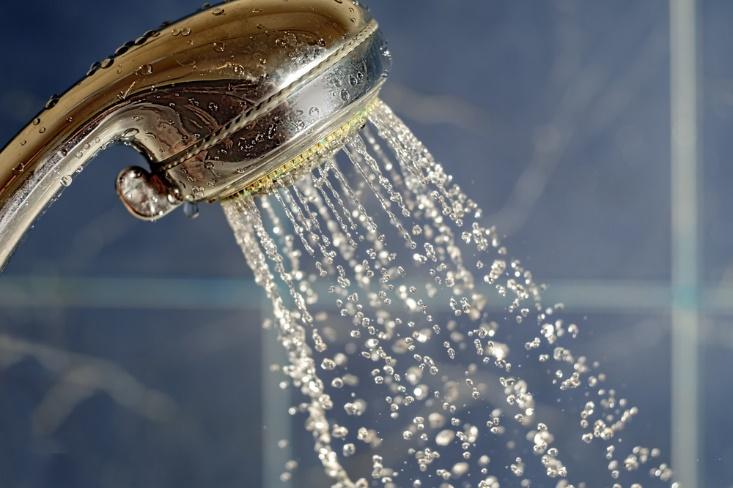
Your showerhead is particularly vulnerable to mineral buildup because it’s where water exits the plumbing system. The tiny holes in the showerhead can become partially or completely blocked by these deposits, reducing the number of openings through which water can flow. Even if your home’s overall water pressure is fine, a clogged showerhead will make it feel like you’re standing under a gentle rain instead of a proper shower.
This issue tends to be more pronounced in areas with hard water, where the mineral content is naturally higher. You might notice white or greenish deposits around the showerhead’s face, which is a telltale sign that minerals are building up. The accumulation doesn’t happen overnight, which is why many homeowners don’t realize it’s occurring until the pressure has noticeably decreased.
What makes showerhead clogs particularly frustrating is how unevenly they can affect water flow. You might notice that some holes spray strongly while others barely drip, creating an inconsistent shower experience. This happens because mineral deposits don’t accumulate uniformly across all the openings. Some holes might be completely blocked while others remain relatively clear, resulting in unpredictable spray patterns.
Inside Your Pipes
Mineral deposits don’t just affect your showerhead. They can also accumulate inside the pipes themselves, particularly in older plumbing systems. As these deposits build up along the interior walls of your pipes, they effectively make the pipes narrower, restricting water flow throughout the affected sections. This type of buildup is less visible than what happens to your showerhead, but it can have an even greater impact on your water pressure.
The process happens slowly over years or even decades. In homes with particularly hard water, the accumulation can become substantial enough to significantly reduce the internal diameter of pipes. This is especially problematic in hot water lines because heat can accelerate mineral deposition. That’s why some homeowners notice that their hot water pressure is weaker than their cold water pressure, even though both use the same supply lines initially.
Issues With Fixtures and Connections
Sometimes the problem isn’t with the water supply itself but with the components that control and direct the water in your bathroom. Various fixtures and connections can develop issues that affect your shower’s performance.
The Role of Valves
Your shower has valves that control the flow and temperature of water. These valves can wear out over time or become partially closed, either accidentally or due to mineral buildup affecting their movement. When a valve isn’t fully open, it acts like a bottleneck, limiting how much water can pass through, even if the pressure in your pipes is adequate.
Additionally, homes have a main water shutoff valve, and some have individual shutoff valves for different areas or fixtures. If any of these valves aren’t fully open, they can reduce water pressure throughout the affected areas. Sometimes after plumbing work or maintenance, a valve might not be opened completely, leading to pressure problems that seem to appear out of nowhere.
The internal mechanisms of shower valves are surprisingly intricate. They contain seals, cartridges, and other components that must work in harmony to deliver water at the right pressure and temperature. When any of these parts begin to fail, the valve might not open fully even when you turn the handle to the maximum position. This creates a situation where you think you’re getting full flow, but the valve is actually restricting water passage.
Aging Plumbing Components
Plumbing fixtures don’t last forever. Washers, seals, and other components within your shower system can deteriorate with age. When these parts break down, they can affect water flow in various ways. A worn washer might not create a proper seal, causing water to leak internally rather than flowing where it should. Similarly, corroded parts can create rough surfaces that impede smooth water flow.
The materials used in plumbing components can also degrade over time due to constant exposure to water and minerals. Rubber seals can become brittle and crack, metal parts can corrode, and plastic components can weaken. Each of these deterioration processes can contribute to reduced water pressure in subtle or dramatic ways. What starts as a minor reduction in flow can progressively worsen as components continue to age.
Hidden Leaks Affecting Your System
Water leaks are another common culprit behind low shower pressure, and they’re often difficult to detect because they occur within walls, under floors, or in other hidden spaces. When water escapes from your plumbing system before reaching your shower, it naturally reduces the pressure at your showerhead.
The Invisible Water Thieves
A leak diverts water away from its intended destination, essentially stealing pressure from your shower. Small leaks might not cause dramatic pressure drops, but multiple small leaks or one significant leak can make a noticeable difference. The tricky part is that many leaks remain hidden for extended periods, quietly wasting water and reducing pressure without any obvious signs.
You might notice indirect evidence of leaks, such as unexpectedly high water bills, damp spots on walls or ceilings, or the sound of running water when no fixtures are in use. These signs suggest that water is escaping somewhere in your system, which could explain why your shower isn’t performing as well as it once did.
Leaks can occur at pipe joints, where corrosion has eaten through pipe walls, or at connection points where seals have failed. In older homes with original plumbing, pinhole leaks can develop in copper pipes due to water chemistry interacting with the metal over time. These tiny leaks might seem insignificant individually, but collectively they can rob your system of substantial pressure.
The Domino Effect
What makes leaks particularly problematic is how they can create a cascading effect throughout your plumbing system. When water escapes at one point, it reduces pressure downstream from that leak. If you have multiple fixtures drawing water simultaneously, a leak becomes even more noticeable because there’s less pressure available to distribute among all the active fixtures.
When the Problem Is Bigger Than Your Bathroom
Sometimes, low shower pressure isn’t caused by anything wrong with your specific fixtures or immediate plumbing. The issue might stem from your home’s overall water supply or even factors affecting your entire neighborhood.
Supply Line Challenges
The pipe that brings water from the municipal supply to your home can develop problems that affect pressure throughout your entire house. These supply lines can become corroded, especially in older homes, or they might be undersized for your household’s current needs. If your home was built when smaller families were the norm, the supply line might not provide adequate pressure for modern usage patterns.
Modern households often use more water than homes from previous generations. Multiple bathrooms, dishwashers, washing machines, and other water-using appliances create demand that older supply lines weren’t designed to handle. When several fixtures operate at once, the limited capacity of an undersized supply line becomes apparent through reduced pressure at individual fixtures, like your shower.
Shared Water Woes
In some cases, low pressure during certain times of day indicates that demand is outpacing supply in your area. This is particularly common in the morning and evening when many people are showering before work or school. While this isn’t technically a problem with your individual plumbing system, it affects your shower experience nonetheless. Communities with aging infrastructure or those experiencing population growth might face these pressure challenges.
Municipal water systems are designed to serve a certain number of users, and as neighborhoods grow or change, the infrastructure doesn’t always keep pace. New developments might tap into existing water mains that are already working at capacity. Seasonal variations can also play a role, with irrigation and outdoor water use in summer months drawing down available pressure during peak usage times.
The Pressure Regulator Factor
Many homes have a pressure regulator, also called a pressure reducing valve, installed where the main water line enters the house. This device is designed to protect your plumbing system from excessively high pressure that could damage pipes and fixtures. However, when a pressure regulator malfunctions or is set incorrectly, it can cause low pressure throughout your home.
A failing pressure regulator might cause pressure to drop gradually over time, or it could fail suddenly, causing an immediate and noticeable change. Because this component affects your entire home’s water system, problems with the pressure regulator typically impact all fixtures, not just your shower. The regulator contains springs and diaphragms that can wear out with age, and mineral buildup can affect its ability to function properly.
Understanding whether your home has a pressure regulator and how it’s performing is an important part of diagnosing pressure problems. These devices are typically located near where the main water line enters your home, often in a basement, crawl space, or utility area. When they work correctly, you don’t notice them at all. But when they fail, the effects are felt throughout your entire plumbing system.
Remember that what seems like a minor pressure issue today could be an early warning sign of a larger problem developing within your plumbing system. Addressing these concerns sooner rather than later can save you from more extensive repairs and give you back the satisfying shower experience you deserve. Regular maintenance and prompt attention to changes in your plumbing performance can extend the life of your system and help you avoid emergencies.
If you’re tired of dealing with disappointing water pressure and want to enjoy your showers again, reach outto our team of dedicated plumbing professionals who are ready to help diagnose and resolve your pressure problems any time, day or night.
Frequently Asked Questions
Can water pressure problems affect my water heater?
Yes, low water pressure can sometimes be related to issues with your water heating system, particularly if you notice the problem primarily affects hot water. Sediment buildup in your water heater can restrict flow, and problems with the water heater’s inlet valve might also contribute to pressure issues with hot water specifically.
Will replacing my showerhead always fix low pressure?
Not necessarily. While a new showerhead can solve the problem if mineral buildup or a faulty showerhead is the cause, it won’t address issues deeper in your plumbing system like pipe corrosion, leaks, or problems with your main water supply. If a new showerhead doesn’t improve pressure, the issue likely lies elsewhere.
Is low water pressure harmful to my plumbing system?
Low pressure itself isn’t harmful, but the underlying causes might be. For example, if corroded pipes are causing the low pressure, the corrosion could eventually lead to leaks or burst pipes. That’s why it’s important to investigate pressure problems rather than simply accepting them.
How do I know if my whole house has low pressure or just my shower?
Test other fixtures throughout your home, including kitchen faucets, bathroom sinks, and outdoor hose connections. If they all have reduced pressure, the issue is likely with your main water supply or a component that affects your entire system. If only the shower is affected, the problem is localized to that fixture or the pipes serving it.