
Efficient Heating and Cooling Solutions with Expert Heat Pump Services in Fargo ND
Heat pumps are a versatile HVAC technology that move heat rather than generate it, delivering efficient heating in winter and cooling in summer while reducing energy use and emissions. This article explains how heat pumps work, why modern cold-climate models suit Fargo-area homes, and how efficiency metrics like COP, HSPF, and SEER translate into real bill savings. You will learn practical benefits, common failure signs, service intervals, technology options such as ductless mini-splits and smart thermostats, and transparent cost drivers including incentives and financing pathways. The guide also maps local implementation: what a professional installation looks like, which system types match different building profiles, and how proactive maintenance preserves performance. Where relevant, Legacy Plumbing is introduced as a local partner that installs, maintains, and supports heat pump systems across Fargo, West Fargo, and Moorhead, providing emergency service and maintenance plans to protect your investment. Read on for feature-optimized answers, comparison tables, maintenance checklists, and clear steps to evaluate heat pump replacement versus retrofit in cold climates.
What Are the Key Benefits of Heat Pumps for Efficient Heating and Cooling?
Heat pumps deliver heating and cooling by transferring thermal energy between indoor and outdoor environments, providing high efficiency because they move heat rather than create it. This mechanism yields lower operating costs compared with combustion heating and allows one system to handle year-round comfort, reducing equipment redundancy in homes and businesses. Heat pumps also lower carbon emissions when paired with cleaner grid electricity and support improved indoor comfort through consistent temperature control and quieter operation than many traditional systems. Understanding these core benefits helps homeowners evaluate performance metrics and practical savings before choosing a system suitable for Fargo-area conditions.
Heat pumps provide several practical advantages for homeowners and businesses:
- Year-round comfort: One system provides both heating and cooling with consistent indoor temperatures.
- Lower operating costs: Heat transfer yields higher efficiency, reducing monthly energy bills.
- Reduced emissions: Electrically driven systems cut onsite fossil fuel combustion and associated carbon emissions.
These benefits lead naturally to questions about energy metrics like COP and HSPF, which clarify how much energy a heat pump services saves in practice versus a furnace or standalone AC system.
Different benefits quantify in measurable terms framed by efficiency metrics and usage patterns.
How Do Heat Pumps Save Energy and Reduce Heating Costs?
Heat pumps save energy primarily through heat-transfer physics: they move ambient heat from outside into a building instead of burning fuel to create heat, producing more heat output per unit of electricity consumed. Efficiency is commonly expressed as COP (coefficient of performance) for instantaneous ratios, HSPF for seasonal heating, and SEER for cooling; higher values mean better performance and lower operating costs. For example, a modern cold-climate heat pump with a HSPF in the 9–11 range can deliver significant seasonal savings compared to an electric resistance system and meaningful reductions compared to mid-efficiency furnaces, depending on electricity and fuel prices. Tracking these metrics helps estimate payback timelines and supports decisions about system sizing and control strategies that maximize savings.
Understanding metrics leads into real-world examples and comparisons that clarify expected bills and ROI for Fargo homes.
| System Type | Key Metric | Typical Efficiency Impact |
|---|---|---|
| Air-source heat pump | HSPF / SEER | 20–50% lower seasonal energy use vs electric resistance |
| Ductless mini-split | COP / SEER | High zonal efficiency, reduces duct losses |
| Geothermal heat pump | COP (ground-coupled) | 30–60% lower operating cost in many climates |
This table summarizes how different heat pump approaches translate efficiency metrics into practical savings and helps homeowners compare options before sizing or budgeting.
Why Are Heat Pumps Ideal for Fargo’s Cold Climate?
Modern cold-climate heat pumps incorporate design advances—such as variable-speed compressors, improved heat exchangers, and advanced defrost controls—that sustain effective heating at much lower outdoor temperatures than earlier models. These technologies extend useful operation down to single-digit and sub-zero temperatures for many systems, though backup heat strategies are sometimes recommended for extreme cold events. Manufacturers document cold-weather performance with real-world capacity curves, and installers match models to local climate loads to ensure comfort without oversizing. For Fargo-area properties, choosing appropriately rated cold-climate units and integrating controls or a hybrid backup delivers reliable winter operation while maximizing seasonal efficiency.
Research into air-source heat pump performance in cold climates confirms their growing viability and effectiveness for residential heating.
Air Source Heat Pump Performance in Cold Climates
ABSTRACT: Samuel, Nick.University of Alaska Fairbanks ProQuest Dissertations & Theses, 2025. 31931704.
Performance and Viability of Air Source Heat Pumps for Residential Heating in Cold Climates, 2025
Recognizing cold-climate capabilities prompts a closer look at local implementation and professional installation practices required to achieve consistent performance.
For homeowners considering a local installation, Legacy Plumbing and experienced installers work to specify systems suited to regional temperatures and property characteristics before proceeding.
How Does Legacy Plumbing Provide Expert Heat Pump Installation in Fargo ND?
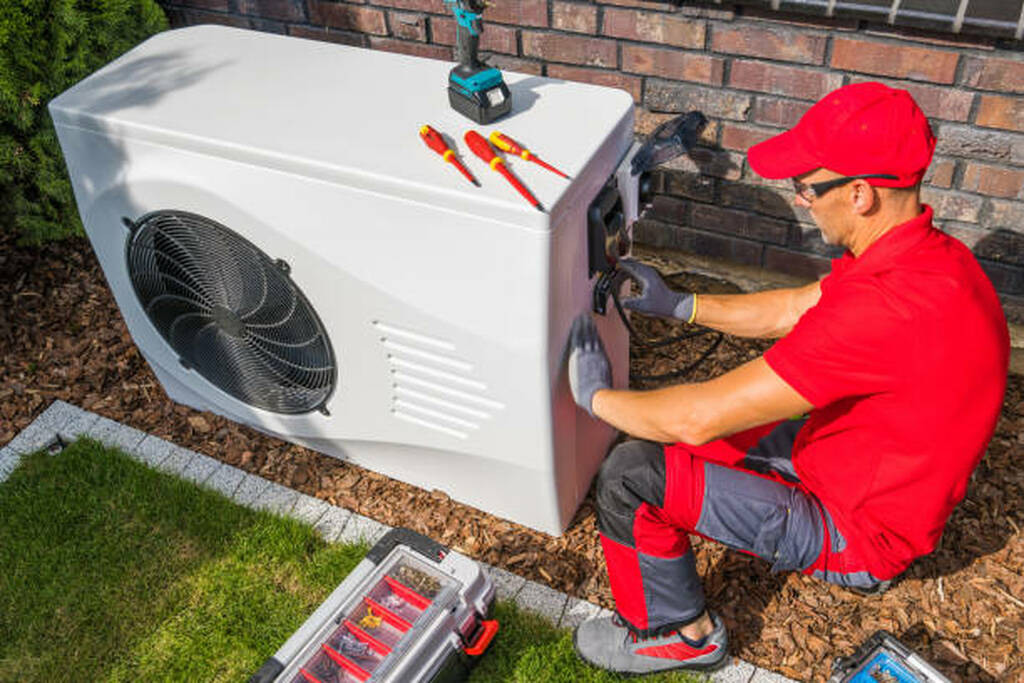
Legacy Plumbing provides localized heat pump installation services that begin with a thorough site assessment and end with commissioning and customer education for reliable performance. Their approach combines load calculation and equipment selection, permitting and code compliance, professional installation, and follow-up testing to confirm capacity, efficiency, and controls are functioning as specified. Trust signals described in local reporting emphasize transparent flat-rate pricing, exceptional communication, and availability for emergency HVAC needs, which help homeowners understand costs and access support after installation. Legacy also offers a proactive maintenance option called the LEGACY PEACE OF MIND PLAN that supports ongoing tune-ups and preventive service to protect system longevity and efficiency.
Below is a numbered workflow summarizing the typical installation stages customers should expect from a professional provider:
- Site assessment and load calculation: Technicians evaluate insulation, orientation, and thermal load to size equipment properly.
- Equipment selection and proposal: Recommended models are compared for cold-climate performance and efficiency metrics.
- Permitting and preparation: Necessary permits and electrical upgrades are coordinated to assure code compliance.
- Installation and commissioning: Outdoor and indoor units, controls, and refrigerant lines are installed, charged, and tested.
- Customer walkthrough and documentation: Operators review system operation, recommended maintenance, and warranty basics.
This structured process aligns expectations and reduces surprises at each stage of the project. For those seeking a local partner to install or maintain a heat pump, Legacy Plumbing’s locally stated commitments help bridge specification and long-term service needs.
What Is the Step-by-Step Heat Pump Installation Process?
A clear installation workflow starts with a professional load calculation to determine heating and cooling requirements, which prevents undersizing or oversized systems that underperform or waste energy. After assessment, installers propose equipment that balances efficiency ratings (COP/HSPF/SEER) and cold-climate capacity, then obtain permits and coordinate any electrical or ductwork upgrades required. The installation phase includes mounting outdoor units, integrating indoor air handlers or coils, routing refrigerant and condensate lines, and configuring controls and thermostats; commissioning follows with refrigerant charging, airflow balancing, and performance testing. Finally, homeowners receive an operational walkthrough covering routine maintenance actions and control programming to optimize comfort and efficiency.
These practical steps illustrate why professional design and commissioning matter, and they lead into system-type choices that suit different building types and budgets.
Which Heat Pump Types Are Best for Fargo Homes and Businesses?
Selecting the right heat pump depends on building type, ductwork presence, budget, and cold-climate performance needs; common options include air-source, ductless mini-split, and geothermal systems, each with distinct trade-offs. Air-source systems deliver whole-home comfort through existing ducts in many retrofits, while ductless mini-splits offer high zonal efficiency and are ideal for additions or buildings without ducts. Geothermal (ground-source) provides exceptional year-round efficiency but involves higher upfront ground loop costs and site-specific feasibility considerations. Matching system type to the property ensures the best balance of installation cost, seasonal efficiency, and operational reliability in Fargo’s climate.
| System Type | Best For | Pros | Cons | Local Suitability |
|---|---|---|---|---|
| Air-source heat pump | Homes with ducts | Whole-home retrofit, familiar controls | Duct losses can reduce gains | Good when ducts are sound |
| Ductless mini-split | Additions, zoned spaces | High zonal efficiency, easy installation | Multiple heads can raise equipment cost | Very suitable for targeted heating |
| Geothermal heat pump | New builds, long-term owners | High efficiency, stable performance | Higher installation cost, site work | Excellent where soil/space allows |
This comparison clarifies which system types align with different property needs and emphasizes cold-climate model choices for Fargo-area applications.
When Should You Schedule Heat Pump Repair and Maintenance in Fargo?
Routine maintenance and timely repair preserve efficiency, reduce emergency breakdowns, and extend equipment life, so scheduling service before extremes—typically spring for cooling and fall for heating—helps ensure reliable seasonal performance. Regular visits include filter changes, coil cleaning, refrigerant checks, electrical inspections, and verification of defrost and control sequences; these tasks prevent common failures and sustain rated efficiency. Homeowners should also watch for symptoms indicating immediate attention, such as unusual noises, reduced heat output, or frequent cycling, which often precede larger failures if left unchecked. Following a proactive maintenance rhythm and using preventive plans reduces unexpected costs and maintains comfort through harsh seasonal swings.
Below is a checklist of trigger symptoms that indicate a repair call is needed and what each symptom commonly means.
- Weak or no heat: Possible refrigerant issue, compressor inefficiency, or reversing valve fault.
- Strange noises: Mechanical wear, loose components, or bearing failures requiring inspection.
- Short cycling or frequent on/off: Could indicate thermostat, control, or refrigerant charge problems.
Recognizing these symptoms helps homeowners act before a small fault becomes a major breakdown and guides conversation with service providers about repair urgency.
What Are Common Heat Pump Issues and How Are They Fixed?
Common faults include refrigerant leaks, compressor failure modes, electrical component degradation, airflow restrictions from dirty filters or coils, and control or sensor malfunctions; professional technicians diagnose and repair according to symptom patterns. Typical remedies involve locating and sealing refrigerant leaks, recovering and recharging refrigerant to correct charge, replacing failed electrical components like contactors or capacitors, cleaning or repairing air handlers and coil assemblies, and recalibrating controls or thermostats. Some issues are homeowner-serviceable, such as replacing filters and ensuring outdoor unit clearance, while refrigerant work and electrical repairs require certified technicians. Timely professional intervention restores reliability, prevents safety risks, and maintains efficiency.
Prompt repairs support long-term system health and naturally lead into scheduling a balanced service cadence for optimal performance.
How Often Should Heat Pumps Be Serviced for Optimal Performance?
For most residential systems, an annual service before the primary season (spring for cooling checks and fall for heating readiness) is the common recommendation, with some busy or commercial systems benefiting from biannual visits to address both heating and cooling seasons. Each visit should include visual inspection of electrical and mechanical components, refrigerant pressure checks, coil and filter cleaning, lubrication where applicable, defrost sequence verification for cold-climate units, and performance testing to confirm capacity and efficiency. Preventive maintenance reduces unexpected failures and often uncovers minor issues before they escalate, improving long-term lifecycle cost and indoor comfort reliability. Enrollment in a maintenance plan provides structured scheduling, priority service, and documented service history that supports warranty compliance and resale value.
Consistent servicing connects directly to emergency response readiness and maintenance plan benefits offered by local providers.
How Can Energy Efficient Heating Solutions Improve Comfort and Lower Bills in Fargo?
Energy-efficient systems deliver measurable bill reductions through higher seasonal efficiencies and better control, and they improve comfort by maintaining steady indoor temperatures and humidity control. Optimizing system performance combines correct equipment sizing, minimized distribution losses, and smart control strategies that match operation to occupancy and weather conditions. Integrating smart thermostats, zoning, and demand management features allows systems to operate in high-efficiency modes during most hours while ramping capacity only when needed, further cutting energy costs. These combined measures not only lower operational expenses but also provide consistent comfort and predictable indoor air quality that matter during Fargo’s wide seasonal temperature swings.
Key technologies and control strategies amplify heat pump benefits and pave the way to deeper savings and occupant comfort improvements.
What Are Smart Thermostats and HVAC Controls for Energy Savings?
Smart thermostats offer scheduling, adaptive learning, remote access, and energy reporting that optimize run times and reduce waste, improving efficiency without sacrificing comfort. Zoning controls allow selective conditioning of occupied spaces, reducing the need to heat or cool unused rooms and minimizing system cycling that erodes efficiency. Energy monitoring features track runtime and usage patterns, enabling homeowners to identify opportunities for setpoint changes or equipment adjustments that yield measurable savings. When paired with heat pumps, these controls ensure the system operates at the most efficient setpoints for local conditions and occupant behavior, translating sophisticated algorithms into practical bill reductions.
Smart controls integrate with heat pumps to balance comfort and efficiency and lead naturally into comparisons between heat pumps and conventional furnaces or AC systems.
How Do Heat Pumps Compare to Furnaces and AC Units in Efficiency?
Heat pumps generally outperform conventional furnaces and separate AC units on a lifecycle operating-cost basis when electricity rates and fuel prices favor electric systems, because they transfer heat rather than generate it. In cooling mode, heat pumps match or exceed standalone AC efficiency expressed by SEER, and in heating mode, seasonal HSPF and COP metrics often yield lower overall energy consumption compared to combustion systems. Lifecycle comparisons must factor in maintenance, expected lifespan, and backup heating needs in extreme cold; hybrid systems that combine a gas furnace with a heat pump can provide optimal flexibility in some cases. For many Fargo households, modern cold-climate heat pumps offer a strong combination of efficiency and comfort when specified and controlled properly.
These comparative insights inform decisions about retrofitting existing systems or choosing hybrid solutions to handle extreme cold events without sacrificing efficiency.
What Local HVAC Services Does Legacy Plumbing Offer in Fargo, West Fargo, and Moorhead?
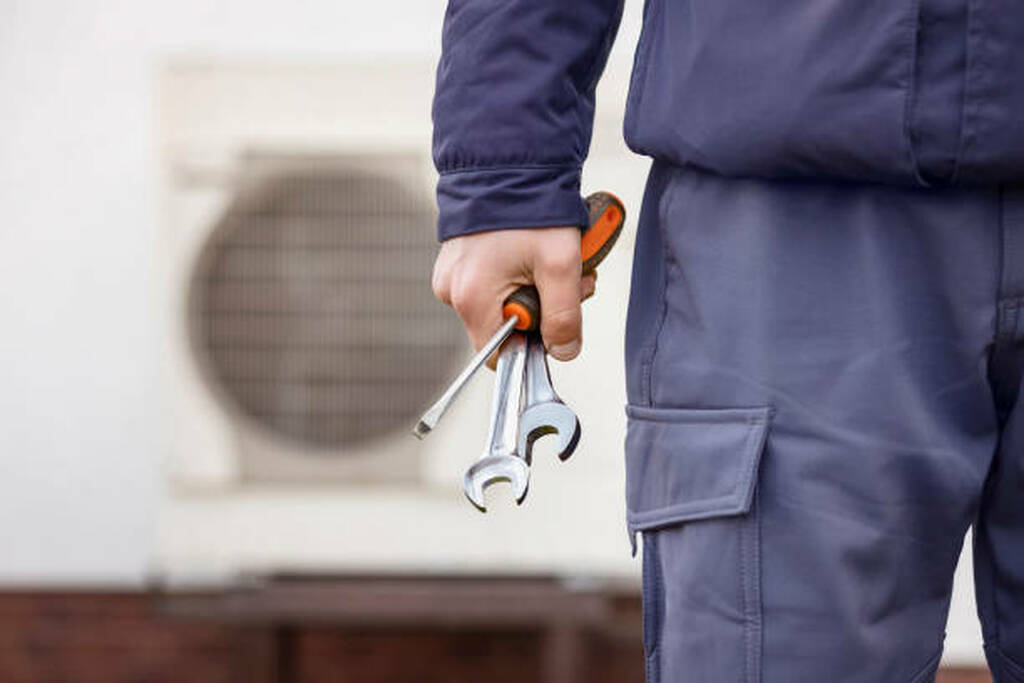
Legacy Plumbing provides a range of heating and cooling services tailored to local needs, including heat pump installation and service, air conditioning, furnace and boiler service, and ductless mini-split solutions for zoned heating. Local reporting highlights core service commitments such as 24-Hour Plumbing & HVAC Emergency Service and a “Never An Overtime Rate” promise intended to remove surprise charges for after-hours work. The company also emphasizes exceptional communication, transparent flat-rate pricing, and technician expertise described as “Masters of Our Craft,” which help customers understand scope and cost before work begins. For ongoing protection, Legacy offers the LEGACY PEACE OF MIND PLAN, a proactive maintenance option that supports scheduled tune-ups and preventive care to preserve system health.
To help readers process available local services, here is a concise list of primary service categories and what each generally includes.
- Heat pump services: Installation, repair, and seasonal maintenance for air-source, ductless, and cold-climate systems.
- Cooling and AC: Diagnosis, repair, and optimization of air conditioning systems for summer performance.
- Furnace and boiler: Service and repair for backup or hybrid heating systems to ensure winter reliability.
These service descriptions clarify where customers can turn for installation, emergency response, or routine maintenance in the Fargo metro area.
How Does 24-Hour Emergency HVAC Service Work?
Emergency HVAC service typically begins with a triage call to assess urgency, symptoms, and safety concerns, after which a local dispatch prioritizes the response based on severity and availability. On arrival, technicians perform immediate triage to stabilize the system—temporary repairs or bypass strategies may restore partial function while a full diagnostic and repair plan is prepared. Customers should have basic information ready when calling, such as model types, symptom descriptions, and any recent changes in system behavior, to help speed diagnosis. Service providers that advertise round-the-clock availability and no overtime rates aim to remove cost friction for after-hours work while ensuring safety and prompt mitigation of comfort- or safety-related failures.
Clear expectation-setting during an emergency call reduces stress and helps prioritize necessary repairs versus temporary measures until full service can be completed.
What Financing Options Are Available for Heating and Cooling Systems?
Financing options commonly available through HVAC providers and manufacturers include installment payment plans, third-party financing programs, and manufacturer financing offers that spread equipment costs over time to reduce upfront burden. Many homeowners also leverage energy-efficiency incentives, tax credits, or utility rebates to lower net project costs when eligible, and providers often assist with paperwork to identify applicable programs. Legacy Plumbing is positioned to help customers explore financing pathways and rebate navigation so homeowners can assess monthly payment scenarios and overall project affordability before committing to major equipment upgrades. Discussing financing early in the project planning phase helps align system selection and payment strategy with household budgets and expected energy savings.
Providing transparent financing information and rebate navigation support encourages informed decision-making and smoother project approvals.
What Should You Know About Heat Pump Installation Costs and Incentives in Fargo?
Installation costs vary based on equipment choice, system capacity, labor complexity, ductwork condition, electrical upgrades, and permit requirements; understanding these drivers clarifies why quotes differ. Example cost components include equipment price, installation labor, any necessary duct or electrical work, permitting fees, and commissioning time; each can materially affect a final estimate. Incentives—federal tax credits, state programs, utility rebates, and manufacturer promotions—can offset a portion of upfront expense, and providers often assist customers in identifying and applying for these incentives. For homeowners evaluating projects, getting multiple detailed estimates and asking for breakdowns of equipment versus labor lets you compare apples-to-apples and evaluate projected payback based on local energy costs.
Below is a table that breaks common cost factors into typical ranges or impacts so readers can anticipate where their investment will be allocated.
| Cost Factor | What It Covers | Typical Impact on Price |
|---|---|---|
| Equipment | Heat pump unit, indoor air handler or heads | Major portion — varies by capacity and brand |
| Labor & Installation | Mounting, piping, wiring, commissioning | Significant — complex retrofits increase labor |
| Ductwork & Modifications | Duct repairs, zoning, vents | Moderate to high if ducts require work |
| Electrical Upgrades | Service panel, breakers, disconnects | Variable — essential if capacity increases |
| Permits & Inspection | Local permits and code compliance | Minor but necessary administrative cost |
This breakdown helps homeowners parse quotes and understand which line items drive price variance and where incentives can provide the most relief.
What Factors Influence Heat Pump Installation Pricing?
Equipment capacity and model selection directly influence the base equipment cost because higher-capacity and cold-climate-rated models command higher prices for improved performance. Site-specific factors such as existing ductwork condition, the need for electrical panel upgrades, access challenges for outdoor unit placement, and structural modifications can increase labor and material costs substantially. Labor rates, permitting timelines, and the scope of commissioning and system testing also add to total price; complex projects with custom zoning or geothermal loops require longer timelines and greater specialist involvement. Reviewing each factor with detailed line-item quotes helps align expectations and uncovers opportunities to optimize cost through phased approaches or targeted upgrades.
Understanding these factors is essential before requesting firm estimates and supports more accurate project budgeting.
Are There Local Rebates or Incentives for Energy Efficient Heat Pumps?
Potential incentives include federal tax credits for qualifying energy-efficient equipment, state-level programs, and utility rebates that encourage heat pump adoption; eligibility and amounts vary by program and over time. Homeowners should consult federal guidance, state energy office resources, and their local utility’s incentive pages to check current offerings and program requirements such as minimum efficiency thresholds or contractor registration. Many installers provide rebate navigation assistance to confirm eligibility, compile documentation, and submit applications on behalf of customers to maximize available savings. Working with a local provider who understands current incentive landscapes can make a material difference in net project cost and timing for rebate submissions.
If you are planning a heat pump project, ask providers about rebate support and financing options early to incorporate incentives into the project budget and timeline.
Research into ground source heat pump systems also highlights their potential for high efficiency and cost savings in cold climates, offering an alternative to traditional systems.
High-Efficiency, Low-Cost Ground Source Heat Pump for Cold Climates
One of the most significant barriers faced by GSHP systems is the high initial cost that limits the market volume from expanding, especially in the residential sector of the U.S. This study entails research work to develop a high-efficiency and low-cost GSHP system using vertical underground boreholes integrated with a dry fluid cooler for a typical single-family house. It is expected to provide an alternative option that leads to cost savings and increases GSHP’s market penetration in the U.S. The designed system model was established in the TRNSYS environment, and its feasibility, when deployed in a cold climate region, is verified after model calibration. The results show that the proposed heat pump system with the use of vertical boreholes and a dry fluid cooler, as well as the optimized control strategies to select when the vertical boreholes and/or the dry fluid cooler are used, is suitable for use in cold climate regions, and it can achieve similar or better efficiency for space heating compared to a conventional GSHP system at lower initial and/or operating costs.
A High-Efficiency and Low-Cost Ground Source Heat Pump System Design for Cold-Climate Application, X Hu, 2022