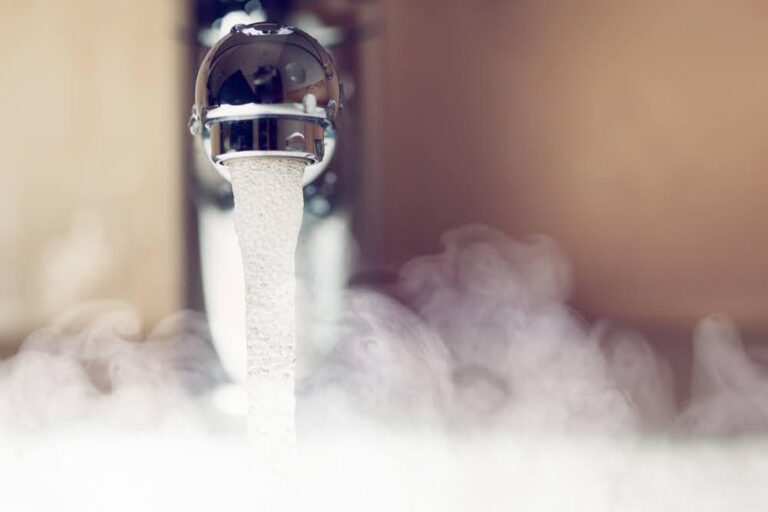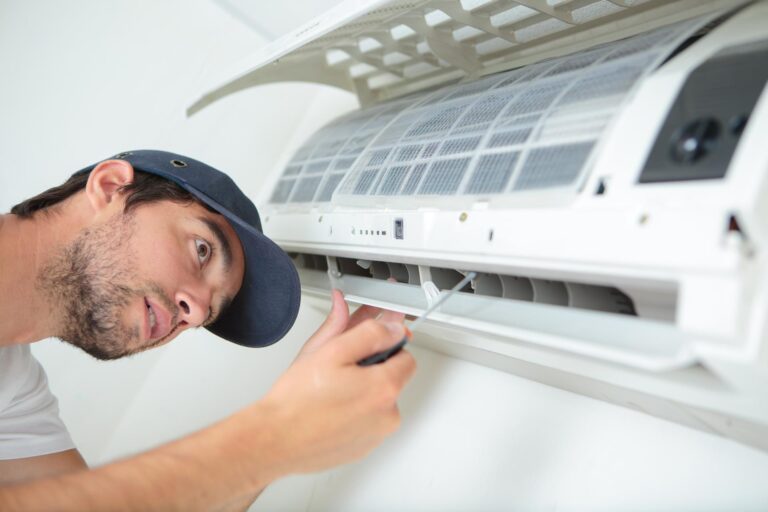

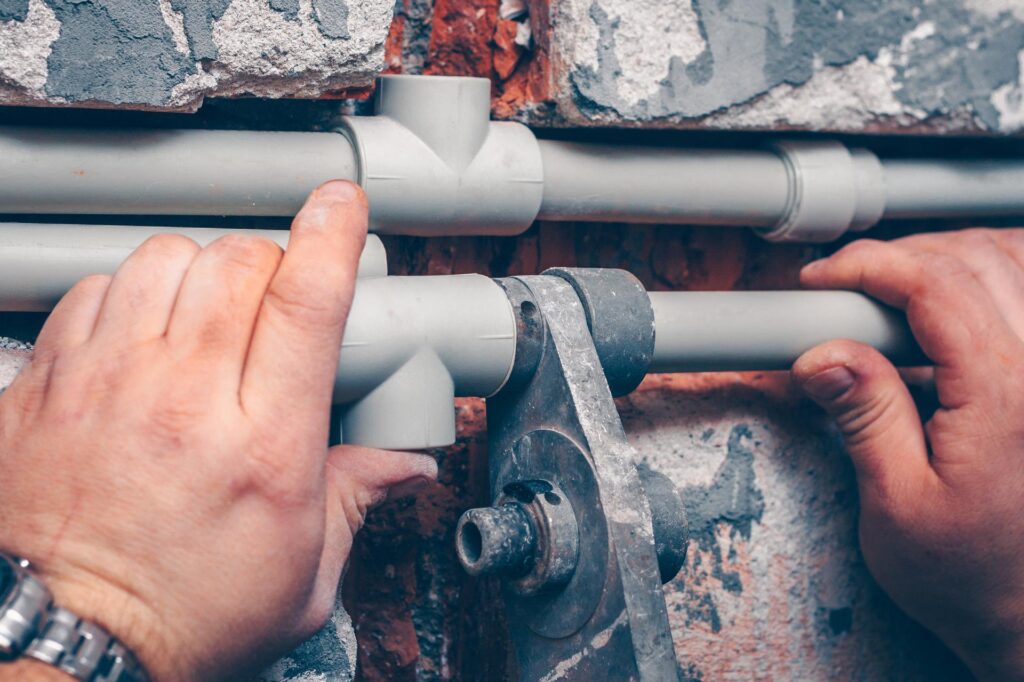
There’s something quietly wonderful about turning on a faucet and having clean, hot water flow exactly when you need it. Most of us don’t think much about the intricate network of pipes, fixtures, and systems working behind our walls until something goes wrong. But if your home is showing its age, you might be noticing signs that your plumbing could use more than just a quick fix. Perhaps the water pressure isn’t what it used to be, or you’re dealing with recurring issues that seem to pop up no matter how many temporary repairs you make.
Modernizing your home’s water systems isn’t just about fixing what’s broken. It’s about reimagining how your home functions, improving efficiency, and creating a space that works better for the way you actually live. Whether you’re planning a major renovation or simply curious about what’s possible, understanding the world of plumbing remodels can help you make choices that serve your home well for years to come.
Understanding When It’s Time for an Update
Homes, like everything else, age. The plumbing systems that were state-of-the-art decades ago might now be struggling to keep up with modern demands. Older pipes can develop issues over time, and fixtures that once worked perfectly may no longer meet current standards for water conservation and efficiency. Sometimes the signs are obvious—persistent leaks, discolored water, or strange noises coming from your pipes. Other times, the indicators are more subtle, like noticing your water bills creeping upward or realizing that your morning shower doesn’t have the pressure it once did.
The reality is that plumbing systems have evolved significantly over the years. Materials have improved, technologies have advanced, and our understanding of water efficiency has deepened. What made sense when your house was built might not make sense anymore. This doesn’t mean your entire system needs to be torn out and replaced, but it does mean that thoughtful updates can make a real difference in how your home performs.
Exploring Your Water Delivery System
The heart of any plumbing remodel starts with the pipes themselves. These hidden pathways carry water throughout your home, and their condition affects everything from water quality to pressure to long-term reliability. Older homes often have pipes made from materials that were common at the time but aren’t ideal by today’s standards. Some materials are prone to corrosion, others can affect water taste, and some simply weren’t designed to last as long as modern alternatives.
When considering pipe updates, you’re looking at more than just swapping old for new. You’re thinking about the complete journey water takes through your home. Modern piping materials offer advantages in durability, safety, and performance. They’re designed to resist buildup, maintain consistent water flow, and provide reliable service with less maintenance over time. The process of updating pipes can also reveal other issues that might have been hiding, giving you a chance to address multiple concerns at once.
Fixtures That Work With You
Walk into any modern showroom, and you’ll quickly see how much fixture design has evolved. Today’s faucets, showerheads, and toilets don’t just look different—they function differently, too. They’re designed with both performance and conservation in mind, delivering the water you need while using less of it overall. This isn’t about sacrifice or settling for less. It’s about smarter engineering that gives you a better experience while being gentler on resources and your utility bills.
Think about your kitchen sink, for instance. A modern faucet might include features that make daily tasks easier, from pull-down sprayers to touchless activation. In bathrooms, showerheads can provide a luxurious experience while using less water than older models. Toilets have come remarkably far, with designs that work more effectively while requiring less water per flush. These aren’t just incremental improvements—they represent fundamental shifts in how fixtures are designed and how they perform.
The Hot Water Question
Few things are more central to daily comfort than reliable hot water. Whether it’s for morning showers, evening dishes, or laundry throughout the day, hot water plays a quiet but essential role in our routines. Traditional tank-style water heaters have served homes well for generations, but they’re not the only option anymore, and they might not be the best option for every situation.
Water heating represents a significant portion of home energy use, which means it’s also an area where updates can make a meaningful difference. Modern water heating solutions come in various forms, each with its own characteristics and benefits. Some heat water on demand rather than keeping a large tank hot all the time. Others use different energy sources or incorporate newer technologies to operate more efficiently. The right choice depends on your household’s specific needs, patterns, and priorities.
Addressing Hidden Issues
One often overlooked aspect of plumbing remodels involves the systems that remove water and waste from your home. Drain cleaning and maintaining clear pathways for water to exit are just as important as bringing fresh water in. Over time, drains can accumulate buildup, develop slow spots, or even suffer from structural issues that aren’t immediately apparent. A comprehensive plumbing update considers the complete water cycle in your home, not just the supply side.
This is also a good opportunity to think about prevention. Modern drain systems can incorporate features that make future maintenance easier and help prevent the kind of clogs and backups that cause headaches down the line. Sometimes this means updating pipe materials or configurations. Other times, it involves adding access points that make future service simpler. The goal is to create a system that works reliably without demanding constant attention.
The Whole-Home Perspective
Here’s something interesting: plumbing doesn’t exist in isolation. Your water systems interact with other major systems in your home in ways you might not immediately think about. For example, if you’re updating your hot water situation, there’s a connection to your home’s heating infrastructure. A furnace installation or update might be part of a larger conversation about how your home manages energy and comfort.
Similarly, keeping your heating system repair needs in mind during a plumbing remodel can help you coordinate work more efficiently and avoid conflicts between different systems. Taking this broader view can actually save time and money in the long run. When you’re already opening walls or working in specific areas, it makes sense to address multiple systems at once if they need attention. This integrated approach also helps ensure that different systems work well together rather than competing for space or creating inefficiencies.
Planning Your Remodel Journey
Every home is different, and every plumbing remodel unfolds in its own way. Some homeowners start with a specific problem that opens the door to larger improvements. Others have a vision for how they want their home to function and work backward from there. There’s no single right path, but there are some universal principles that help projects go smoothly.
First, understanding what you have now provides the foundation for smart decisions about what comes next. This might mean having professionals assess your current systems to identify issues you might not be aware of. Second, thinking about how you actually use water in your home helps prioritize where updates will make the biggest difference. Do you have a large family with high hot water demands? Is your kitchen the heart of your home where you spend lots of time? These patterns matter when planning improvements.
Timing is another consideration. Some updates are urgent—when something fails, it needs attention. Others can be planned as part of regular maintenance cycles or coordinated with other renovation work you’re doing. There’s also value in thinking ahead. If you’re planning to stay in your home for many years, investing in durable, efficient systems makes sense. If circumstances might change, different choices might be more appropriate.
The Professional Partnership
Plumbing systems are complex, with lots of interdependencies and code requirements that aren’t always obvious to homeowners. While the DIY spirit is admirable, plumbing remodels benefit enormously from professional expertise. Experienced professionals bring knowledge about what works well in real-world conditions, how different components interact, and what potential issues to watch for. They also understand local regulations and can ensure work meets the standards that keep your home safe and protect your investment.
The relationship between the homeowner and professional should be collaborative. You bring knowledge about your home, your needs, and your priorities. Professionals bring technical expertise, practical experience, and problem-solving skills. Together, you can develop a plan that makes sense for your specific situation rather than following a one-size-fits-all approach.
Looking Forward
Modernizing your home’s plumbing systems is an investment in daily comfort, long-term reliability, and overall home value. It’s about creating a foundation that supports how you live now while being ready for whatever comes next. The technology and materials available today offer opportunities that weren’t available in the past, making it possible to achieve better performance with less waste and more durability.
As you consider what’s possible for your home, remember that you don’t have to tackle everything at once. Many homeowners approach plumbing updates in phases, addressing the most pressing needs first and building from there. What matters is having a clear understanding of your options and making informed choices that align with your goals.
Your home’s water systems touch nearly every aspect of daily life, often in ways we only notice when something isn’t working right. By taking a thoughtful approach to modernization, you’re not just fixing problems—you’re enhancing your home’s functionality and setting yourself up for years of reliable service. The right updates can transform frustration into satisfaction, inefficiency into smooth operation, and uncertainty into confidence.
If you’re ready to explore how a plumbing remodel could benefit your home, we’d love to help. Contact our team to discuss your specific situation and discover the possibilities for modernizing your water systems.
Frequently Asked Questions
How long does a typical plumbing remodel take?
The timeline varies considerably based on the scope of work involved. Smaller updates focused on specific areas might be completed relatively quickly, while comprehensive whole-home plumbing overhauls naturally require more time. Factors like your home’s layout, accessibility of existing systems, and whether you’re coordinating with other renovation work all influence the schedule. Experienced professionals can provide more specific timelines once they understand your particular project.
Will a plumbing remodel disrupt my daily routine significantly?
Most plumbing work does require temporary adjustments, though professionals typically work to minimize inconvenience wherever possible. Often, work can be staged so that you maintain access to essential facilities. For larger projects, your team can develop a plan that sequences work thoughtfully, perhaps completing one bathroom before starting another, or scheduling the most disruptive work for times that suit your household best.
How do I know which updates should be priorities?
This depends on both the condition of your current systems and your household’s specific needs. A thorough assessment from qualified professionals can identify issues that need immediate attention versus improvements that, while beneficial, could be scheduled for later. Your own experience matters too—recurring problems, features that don’t meet your needs, or areas where you’ve noticed declining performance are all valid starting points for prioritizing updates.
Can older plumbing systems be partially updated, or does everything need replacement?
Many homes benefit from selective updates rather than complete system replacement. Modern plumbing work can often integrate new components with existing systems where those older elements are still performing well. The key is having professionals assess what’s truly necessary versus what could continue serving adequately. This targeted approach can make modernization more manageable while still delivering meaningful improvements.
What happens if problems are discovered during the remodel?
It’s not uncommon for additional issues to come to light once work begins, especially in older homes where previous problems might have been patched over rather than properly resolved. Reputable professionals will communicate any discoveries promptly and discuss options for addressing them. While this can mean adjusting plans or budgets, finding and fixing hidden issues during planned work is often more efficient than dealing with them later when they cause unexpected failures.