
Nobody wants to deal with a slow-draining sink or a backed-up garbage disposal during a busy morning routine or while preparing a family meal. These common household frustrations often creep up when we least expect them, turning simple tasks into stressful situations. The good news is that most clogs don’t happen overnight, and with some practical understanding of how your plumbing system works, you can keep water flowing smoothly through your sinks and disposal units.
Understanding what causes blockages in the first place makes prevention much easier. Your kitchen and bathroom sinks handle different types of materials throughout the day, and your garbage disposal faces its own unique challenges. By developing better habits and knowing what belongs in your drains and what doesn’t, you can avoid the inconvenience of standing water and unpleasant odors that come with clogged pipes.
Understanding What Goes Down Your Drain
The kitchen sink sees a lot of action during meal preparation and cleanup. Food particles, oils, soap residue, and various liquids all make their way down the drain throughout the day. While it might seem like everything should wash away without issue, certain substances create problems over time. Grease and cooking oils might flow smoothly when hot, but they cool and solidify inside your pipes, creating a sticky coating that catches other debris.
Starchy foods create their own challenges when they encounter water in your plumbing. Rice, pasta, and potato peels continue absorbing moisture even after going down the drain, expanding and forming dense masses that restrict water flow. Coffee grounds behave similarly, clumping together and settling in pipe bends where they gradually build up. Being mindful about what enters your drain makes a significant difference in maintaining clear pipes.
Bathroom sinks face different challenges than their kitchen counterparts. Hair combines with soap scum to form stubborn clogs that develop gradually over weeks and months. Toothpaste residue, skincare products, and other personal care items also contribute to buildup. The same principle applies here as in the kitchen—awareness of what goes on helps prevent problems before they start.
Your Garbage Disposal Needs Care
Garbage disposals offer convenience, but they’re not designed to handle everything. These units work by grinding food waste into small particles that can flow through your plumbing, but they have limitations. Fibrous vegetables like celery and asparagus can wrap around the disposal blades, while hard materials like bones and fruit pits can dull or damage the grinding components.
Eggshells present an interesting case that surprises many homeowners. While the shells themselves might break down, the membrane inside can stick to the disposal components. Similarly, onion layers have a thin film that can bypass the grinding mechanism and catch in the drain pipes below. Learning what your disposal handles well helps you use it effectively without causing damage.
The way you use your disposal matters as much as what you put in it. Running cold water while the unit operates helps flush ground particles through the pipes and keeps the motor from overheating. Continuing to run water for several seconds after turning off the disposal ensures everything clears the drain line completely. These simple practices extend the life of your disposal and reduce the chances of downstream clogs.
Daily Habits Make a Difference
Small changes to your daily routine can significantly impact your plumbing’s long-term health. Scraping plates thoroughly before rinsing them in the sink removes most food waste before it has a chance to enter your drains. Using sink strainers catches particles that slip by during washing, and emptying these strainers into the trash takes just seconds. These quick actions prevent a gradual buildup that eventually leads to drain cleaning emergencies.
In the bathroom, catching hair before it goes down the drain saves considerable trouble later. Inexpensive mesh screens sit over drain openings and collect hair during showers and while brushing. Cleaning these screens regularly might not be glamorous, but it’s far easier than dealing with a completely blocked drain. The few extra seconds of maintenance pay off in avoided frustration.
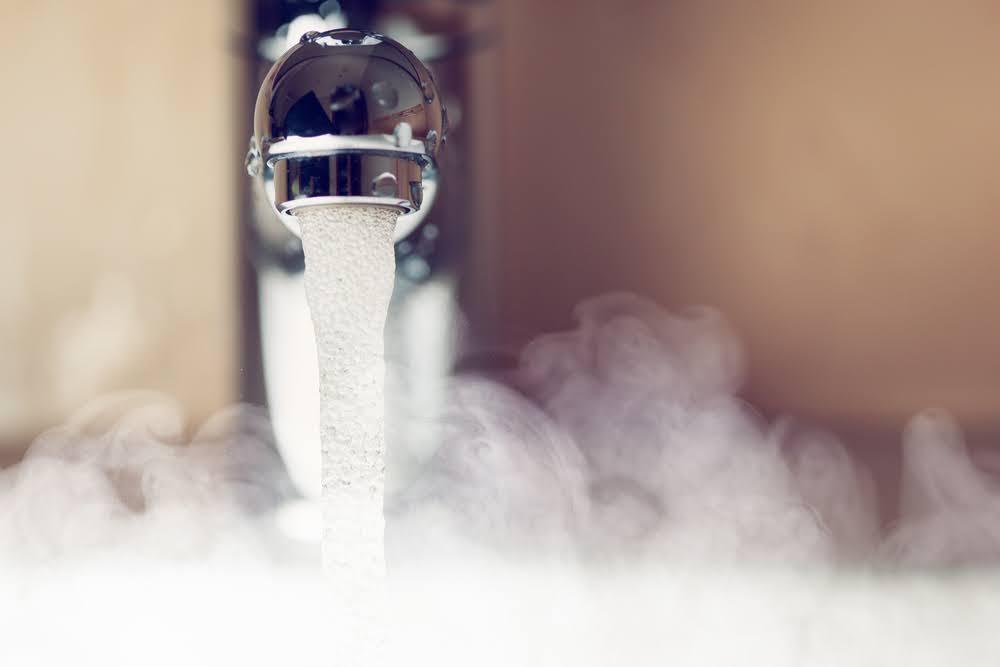
Temperature plays an interesting role in drain maintenance. While hot water helps dissolve soap and flush away some residues, cold water actually works better when running your garbage disposal. The cold keeps any fats or oils solid, allowing them to be chopped and flushed rather than liquefying and coating your pipes. Understanding these small distinctions helps you make better choices throughout your day.
Keep Things Flowing Smoothly
Regular maintenance doesn’t require special skills or expensive products. Running hot water through your drains periodically helps prevent buildup from soap, grease, and other residues. Some people find that occasional use of a mixture of hot water and common household items helps maintain fresh-smelling, clear-flowing drains. These gentle approaches work well for routine maintenance without harsh chemicals that can damage pipes over time.
Your garbage disposal benefits from occasional freshening as well. Running citrus peels through the unit naturally cleans the grinding components while leaving a pleasant scent. Ice cubes help knock off stubborn residue from the blades and the grinding chamber walls. These natural cleaning methods keep your disposal working effectively without introducing harsh substances into your plumbing system.
Paying attention to early warning signs helps you address potential clogs before they become serious. Water that drains more slowly than usual indicates partial blockage beginning to form. Unusual sounds from your garbage disposal or gurgling noises from drains suggest air trapped in the pipes, often due to developing clogs. Catching these signals early allows for simple interventions rather than emergency repairs.
When Different Systems Intersect
Your plumbing system doesn’t exist in isolation from other home systems. Understanding these connections helps you maintain everything properly. Just as you wouldn’t want plumbing issues to affect your heating system, you also want to ensure that proper ventilation exists throughout your home. Adequate ventilation prevents moisture buildup that can contribute to drain issues over time.
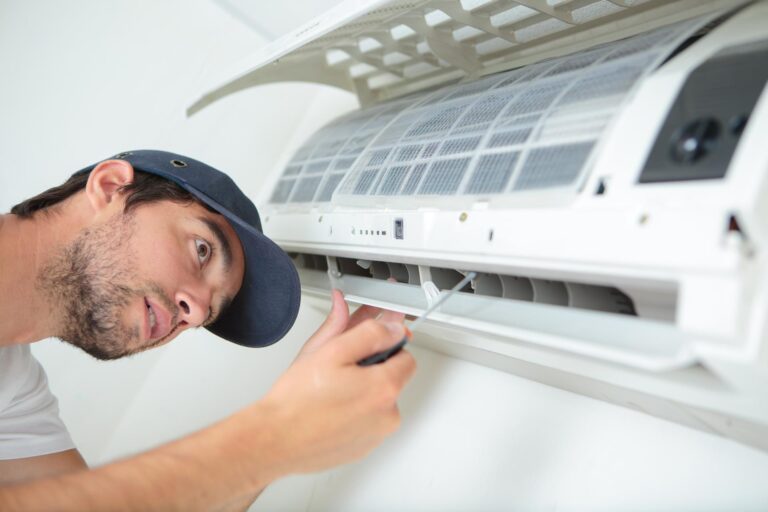
Temperature changes throughout the year affect your plumbing in subtle ways. Cold weather can impact pipe performance, while seasonal variations in water usage patterns change what flows through your drains. Being aware of these shifts helps you adjust your maintenance routine accordingly. The same attention to detail that goes into maintaining systems like your AC installation should extend to caring for your plumbing throughout the changing seasons.
Professional maintenance provides peace of mind that everything works as it should. While daily habits and routine care prevent most problems, having an expert eye examine your plumbing periodically catches developing issues before they become emergencies. This proactive approach mirrors the preventive maintenance you’d give any important home system.
The Role of Water Pressure and Flow
Water pressure plays a more significant role in drain health than many homeowners realize. Adequate water pressure helps push waste and debris completely through your pipes rather than allowing particles to settle and accumulate. When you run water during and after using your garbage disposal, the pressure and volume create a flushing action that carries ground food particles away from the disposal area and through the drain line.
The flow rate matters just as much as the pressure itself. A strong, steady stream of water moves debris along efficiently, while a weak trickle allows particles to settle in low spots and pipe bends. This settling creates the foundation for future clogs as more material catches on the initial deposits. Ensuring your fixtures provide adequate flow supports your prevention efforts and keeps your drainage system working optimally.
Sometimes low water pressure indicates problems elsewhere in your plumbing system. Mineral buildup in pipes, partially closed valves, or issues with your main water line can all reduce the pressure reaching your fixtures. Addressing these underlying concerns not only improves your daily water use experience but also enhances your ability to keep drains clear. Everything in your plumbing system connects, and improvements in one area often benefit others.
Seasonal Considerations for Drain Care
Different times of year bring unique challenges to your drainage system. Holiday cooking seasons mean more fat, grease, and food waste entering your kitchen drains than usual. Being extra vigilant during these busy periods prevents the aftermath of celebration from turning into plumbing problems. The increased load on your garbage disposal and drains during gathering seasons calls for more frequent maintenance and careful attention to what goes down.
Summer months often bring different concerns, particularly if you have outdoor entertaining spaces. Extra guests mean more dishes, more disposal use, and more strain on your system overall. The garden produce season can tempt you to put vegetable scraps down the disposal that might be better suited for composting. Thinking ahead about seasonal patterns helps you prepare and adjust your habits accordingly.
Winter presents its own set of considerations beyond just protecting pipes from freezing. Indoor cooking increases, holiday baking produces more cleanup, and everyone spends more time at home using the plumbing. The combination of these factors means your drains work harder during colder months. Planning for this increased demand helps you stay ahead of potential problems rather than reacting to them after they develop.
Building Better Long-Term Habits
Creating sustainable habits around drain and disposal care doesn’t happen overnight, but consistency makes these practices second nature. Start with one or two changes that fit easily into your existing routine, then gradually add more as those become automatic. Perhaps you begin with using sink strainers in the kitchen, then add the habit of scraping plates more thoroughly, and eventually incorporate regular hot water flushes.
Education makes a difference when everyone in your household understands why certain practices matter. Children learn quickly when they see the connection between their actions and the results. Explaining that grease shouldn’t go down the drain becomes more meaningful when they understand that it hardens in pipes. Sharing this knowledge creates a team approach to home maintenance that benefits everyone.
Your efforts at prevention save more than just the hassle of dealing with clogs. Clear drains mean fewer emergency calls to plumbers, less water wasted while waiting for slow drains, and reduced wear on your garbage disposal. The time invested in good habits pays dividends in system longevity and fewer repairs. Prevention truly proves easier and more effective than dealing with problems after they develop.
Taking care of your sinks and garbage disposal doesn’t require expertise or complicated procedures. The foundation of prevention lies in understanding what causes problems and making small adjustments to your daily habits. When you’re mindful about what goes down your drains, use your garbage disposal appropriately, and perform simple regular maintenance, you’ll enjoy trouble-free plumbing for years to come.
The investment of a few extra moments each day protects your plumbing system and saves you from the inconvenience and expense of dealing with serious clogs. Your home’s plumbing works hard to serve your needs, and giving it proper care ensures it continues functioning reliably. Prevention remains the most effective strategy for maintaining clear, fresh-smelling drains throughout your home.
If you have questions about your specific plumbing situation or want professional guidance on maintaining your drains and disposal, our team is here to help—contact us today to ensure your plumbing stays in excellent condition.
Frequently Asked Questions
Can I use the garbage disposal with my septic system?
While garbage disposals can work with septic systems, they add more solid waste that your septic tank must process. This means more frequent pumping schedules may be necessary. Some newer disposal models specifically designed for septic systems grind waste more finely, making it easier for bacteria to break down. Consulting with a septic professional about your specific system helps you make the best decision.
Why does my drain smell even when it’s not clogged?
Odors often come from bacterial growth on residue coating your pipes, or from the biofilm that naturally forms inside drains. The P-trap under your sink may also dry out if a drain isn’t used regularly, allowing sewer gases to enter your home. Regular use and periodic flushing with hot water usually solves smell issues without indicating a serious problem.
Should I worry about using my garbage disposal every day?
Frequent use of your garbage disposal is perfectly fine when you use it correctly. In fact, regular operation keeps the unit from seizing up and helps prevent rust. The key is using it properly—running cold water, avoiding problematic foods, and not overloading the unit. Quality disposals are designed for daily use as part of normal kitchen activities.
What’s the difference between a slow drain and a clog?
A slow drain indicates partial blockage where water still flows through but at a reduced rate, often caused by gradual buildup. A complete clog means water doesn’t drain at all. Slow drains serve as early warnings that you can address with simple maintenance before they become full blockages. Ignoring a slow drain usually leads to a complete clog eventually.
Can older homes have special drain concerns?
Older plumbing systems may have narrower pipes, different materials, or configurations that are more prone to clogs. Cast iron and galvanized pipes, common in older homes, can develop rough interior surfaces that catch debris more easily. Understanding your home’s specific plumbing helps you adjust your prevention strategies. Professional assessment of older systems provides valuable guidance.