
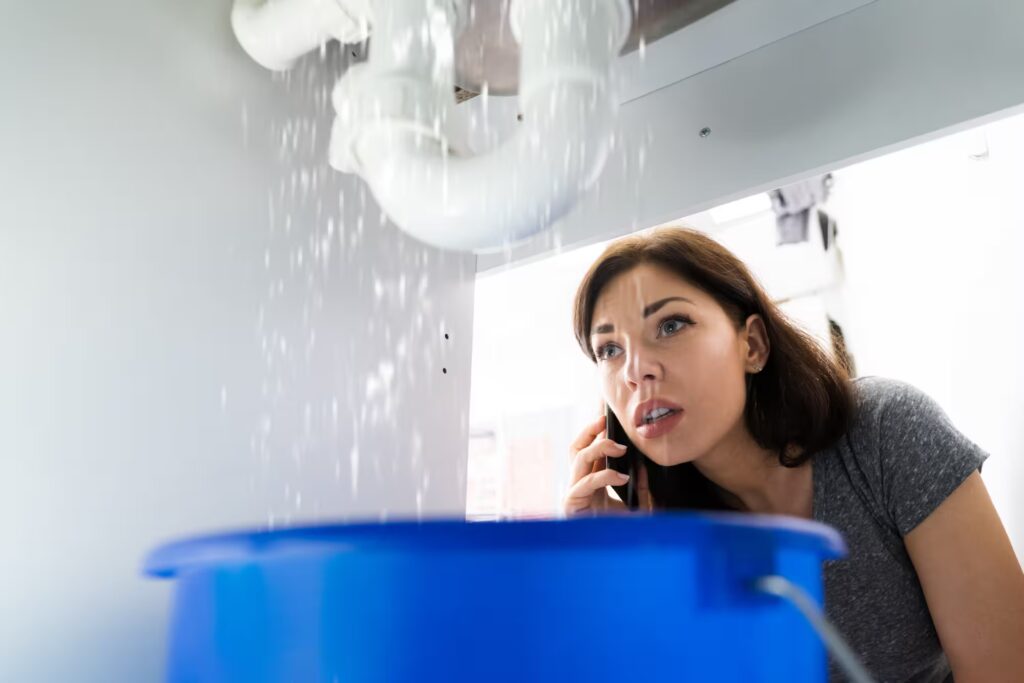
Picture this: you’re settling in for a quiet evening at home when you hear the unmistakable sound of water gushing where it shouldn’t be. Your heart races as you try to figure out where it’s coming from and what you should do about it. Is this a true emergency, or can it wait until morning? Understanding the difference between a plumbing crisis that demands immediate attention and an issue that can be scheduled for regular business hours can save you stress, protect your property, and help you respond more effectively when problems arise.
Plumbing emergencieshave a way of catching us off guard, often striking at the most inconvenient moments. While every homeowner hopes to avoid these situations entirely, knowing how to recognize a genuine emergency and understanding the first steps to take can make all the difference in minimizing damage and keeping your home safe.
Understanding What Qualifies as a Plumbing Emergency
Not every plumbing problem requires an urgent response, but certain situations simply cannot wait. The key to determining urgency often lies in assessing whether the issue poses an immediate threat to your property, health, or safety. When water is actively flooding your home, when sewage is backing up into your living spaces, or when you’ve completely lost access to water during critical times, these scenarios typically fall into the emergency category.
A genuine plumbing emergency is characterized by its potential to cause significant damage if left unaddressed. Water has an incredible ability to wreak havoc on homes in a short amount of time, seeping into walls, damaging foundations, ruining flooring, and creating conditions that encourage mold growth. When you’re facing a situation where water is flowing uncontrollably or contaminated water is entering your home, the clock is ticking on potential damage.
When Water Won’t Stop Flowing
One of the most clear-cut plumbing emergencies involves water that continues to flow despite your attempts to stop it. This might manifest as a burst pipe shooting water across your basement, a water heaterthat’s leaking profusely, or a toilet that keeps overflowing no matter how many times you try to shut it off. These situations demand immediate attention because standing water can quickly damage floors, walls, furniture, and personal belongings while also creating electrical hazards if it reaches outlets or appliances.
The challenge with uncontrolled water flow is that it doesn’t give you time to wait and see if the problem resolves itself. Every minute that passes means more water accumulating in places it shouldn’t be, increasing the scope of repairs you’ll eventually need and raising the risk of secondary damage like mold development.
Sewage Backups and Contamination Concerns
Few plumbing issues are as unpleasant or potentially hazardous as sewage backing up into your home. When wastewater starts flowing in the wrong direction and appears in your sinks, tubs, or toilets, this represents both a health concern and a property damage issue that requires urgent professional attention. Sewage contains bacteria and pathogens that can pose serious health risks, making it crucial to address these situations quickly and avoid contact with the contaminated water.
Beyond the immediate health concerns, sewage backups can cause lasting damage to your home’s surfaces and create odors that are difficult to eliminate. These situations often indicate significant blockages or failures in your plumbing system that won’t improve on their own and will likely worsen if ignored.
Complete Loss of Water Supply
While perhaps less dramatic than visible flooding, a complete loss of water to your home can also constitute an emergency, particularly during extreme weather or when you have household members with specific health needs. Water is essential for basic hygiene, cooking, and in many cases, heating your home. When your entire property suddenly has no water flow despite no known shutoffs or scheduled service interruptions, this warrants prompt investigation and resolution.
The urgency increases when the loss of water might be related to a frozen pipe, which carries the risk of bursting as it thaws, or when it affects critical systems like fire sprinklers or medical equipment.
Situations That Feel Urgent But Can Usually Wait
Understanding what doesn’t qualify as an emergency is equally important for making smart decisions about when to call for help. Many plumbing issues, while certainly inconvenient and worthy of repair, can safely be scheduled during regular business hours without risking additional damage to your home.
A slow drain, for example, might be annoying, but it’s not an emergency unless it has progressed to a complete blockage, causing backups. Usually, a simple drain cleaningis quick and can wait for business hours. Similarly, a dripping faucet or a toilet that runs occasionally represents water waste and should be repaired, but these issues typically don’t require middle-of-the-night intervention. A water heater that’s not producing hot water is inconvenient, but if it’s not actively leaking, it can generally wait for a scheduled appointment.
Minor leaks that you can catch with a bucket or towel and that aren’t rapidly worsening usually don’t require emergency services. Low water pressure affecting one fixture in your home, while frustrating, typically indicates a localized issue rather than a critical failure. These situations give you the opportunity to schedule service at a time that’s convenient for you and often at standard rates rather than emergency service pricing.
Your First Response to a Plumbing Emergency
When you’ve determined that you’re facing a genuine plumbing emergency, your initial actions can significantly impact the extent of the damage. The first and most important step is to stop the flow of water if at all possible. Every home should have a main water shutoff valve, and every household member should know where it is and how to operate it. Taking a few minutes to locate this valve before an emergency strikes is time well invested.
If the problem is localized to a specific fixture, you might be able to shut off water to just that area using individual shutoff valves, typically located beneath sinks or behind toilets. This allows you to isolate the problem while maintaining water service to the rest of your home. For toilets that won’t stop overflowing, turning off the water supply at the wall behind the toilet should stop the flow while you wait for help.
Protecting Your Property While You Wait
Once you’ve stopped or minimized the water flow, shift your focus to protecting your belongings and property from further damage. If water has already accumulated, removing standing water as safely as possible can help minimize damage to flooring and prevent moisture from wicking up walls. Move furniture, electronics, and valuables away from affected areas if you can do so safely.
In situations involving sewage or heavily contaminated water, prioritize your safety over property protection. Avoid contact with the water, ensure adequate ventilation if possible, and keep family members and pets away from affected areas. These situations require professional cleanup to ensure proper sanitization.
Document the damage with photos or videos when safe to do so, as this documentation can be valuable for insurance claims. However, never put yourself at risk to capture images. Your safety always comes first.
Knowing When to Cut the Power
Water and electricity are a dangerous combination, and plumbing emergencies can quickly create electrical hazards. If water is flowing near electrical outlets, appliances, or your electrical panel, or if you need to walk through standing water to reach your electrical box, consider cutting power to affected areas. However, if reaching your electrical panel would require you to walk through water or put yourself in danger, stay away and wait for emergency services.
When in doubt about electrical safety during a plumbing emergency, err on the side of caution and contact emergency services for guidance. Some situations may require the fire department or utility company to ensure electrical safety before plumbing repairs can begin.
The Value of Professional Emergency Response
While taking immediate action to stop water flow and protect your property is important, plumbing emergencies ultimately require professional expertise to resolve properly. Emergency plumbing services exist precisely because these situations can’t wait for regular business hours, and attempting to fix complex plumbing failures without proper knowledge and tools can sometimes make problems worse.
Professional plumbers responding to emergencies bring specialized knowledge, proper equipment, and experience to quickly diagnose and address the root cause of the problem rather than just treating symptoms. They can identify whether a burst pipe is due to freezing, corrosion, or excessive pressure, and implement solutions that prevent recurrence. They have the tools to safely address sewage backups, clear major blockages, and make emergency repairs that will hold until permanent solutions can be implemented if needed.
Beyond technical expertise, professional plumbers can help you understand what happened, why it happened, and how to prevent similar emergencies in the future. They can spot warning signs of other potential problems and help you develop a maintenance plan to keep your plumbing system healthy.
Prevention and Preparedness
While not every plumbing emergency can be prevented, many can be avoided through regular maintenance and awareness. Understanding your home’s plumbing system, knowing the age and condition of major components, and addressing small issues before they become large ones can significantly reduce your risk of experiencing a crisis.
Simple awareness practices like knowing what should and shouldn’t go down your drains, understanding how to protect pipes during freezing weather, and recognizing early warning signs of problems can empower you to take preventive action. Regular inspections and maintenance of water heaters, main line connections, and visible plumbing can catch issues in their early stages when repairs are simpler and less costly.
Equally important is being prepared for emergencies when they do occur. Keeping a list of emergency contacts easily accessible, ensuring all household members know where the main water shutoff is located, and maintaining basic supplies like buckets, towels, and a wet-dry vacuum can help you respond more effectively when minutes matter.
The difference between a minor inconvenience and a major disaster often comes down to quick, informed action in those first critical moments. By preparing ahead of time, knowing your home’s plumbing system, and understanding when to call for help, you can navigate plumbing emergencies with confidence. Remember that professional support is available around the clock because plumbing problems don’t respect regular business hours. When you’re facing a genuine emergency, reach outto our dedicated team who stand ready to protect and restore your home any time, day or night.
Frequently Asked Questions
Should I attempt to fix a plumbing emergency myself before calling for help?
Your first priority should always be stopping water flow and ensuring safety rather than attempting repairs during an active emergency. While there are circumstances where homeowners can handle minor plumbing tasks, emergency situations often involve complex problems that require professional tools and expertise. Focus on damage control measures like shutting off water and protecting property while leaving the actual repairs to trained professionals.
How can I tell if a pipe might burst during cold weather?
Pipes that are at risk in freezing conditions often give warning signs before they actually burst. You might notice reduced water flow from faucets, strange smells coming from drains, or frost visible on exposed pipes. If you turn on a faucet and nothing comes out during freezing weather, a pipe may already be frozen. Taking preventive action when temperatures drop, such as letting faucets drip slightly and opening cabinet doors to allow warm air circulation around pipes, can help you avoid this emergency altogether.
Will my homeowners’ insurance cover damage from a plumbing emergency?
Coverage varies significantly depending on your specific policy and the circumstances of the emergency. Insurance typically covers sudden and accidental damage, such as a burst pipe, but may not cover damage resulting from lack of maintenance or gradual deterioration. The best approach is to review your policy before an emergency occurs so you understand your coverage, and to document any damage thoroughly when emergencies do happen.
What should I keep in a plumbing emergency kit?
Having certain supplies readily available can help you respond more effectively to plumbing problems. Consider keeping absorbent materials like old towels and rags in an accessible location, along with buckets of various sizes, a flashlight with extra batteries, and basic tools, including an adjustable wrench and pliers. A shop vacuum capable of handling water can be invaluable for cleanup. The goal isn’t to have professional-level equipment but rather the basics needed to minimize damage while you wait for professional assistance.