

When temperatures plummet, frozen pipes become one of the most expensive nightmares a homeowner can face. A single burst pipe can cause thousands of dollars in water damage, destroy personal belongings, and leave you without running water for days. The worst part? Most people don’t realize their pipes are frozen until they hear that dreaded sound of water gushing where it shouldn’t be.
The good news is that frozen pipes give off warning signs before they reach the breaking point. If you know what to look for, you can catch the problem early and take action before disaster strikes. Here are five critical warning signs that your pipes are frozen and heading toward a catastrophic burst.
1. Reduced Water Flow or Complete Loss of Pressure
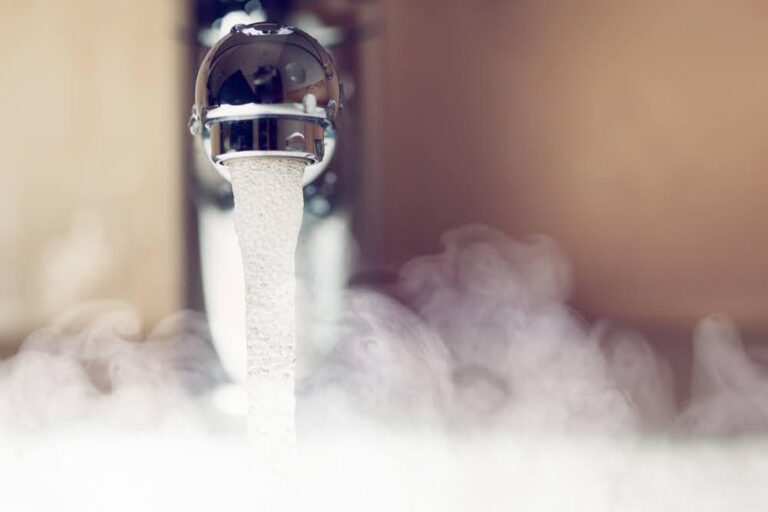
The most obvious sign of a frozen pipe is when you turn on a faucet and get barely a trickle, or nothing at all. This happens because ice is forming inside the pipe, blocking the normal flow of water. Try the “no-flow faucet test” throughout your home: turn on every tap, including those in basements, garages, and exterior walls. If one faucet has significantly reduced pressure while others work fine, you’ve likely found your problem area.
Pay special attention to faucets on exterior walls or in unheated spaces. These are the first to freeze because they’re exposed to colder temperatures. If your bathroom sink works perfectly but your kitchen faucet (on an outside wall) barely drips, that’s a red flag demanding immediate attention.
2. Strange Odors Coming from Drains or Faucets
This warning sign catches many homeowners off guard. If you notice odd, unpleasant smells coming from your drains or when you turn on the tap, it could indicate a frozen pipe. Here’s why: when a pipe freezes, the ice blockage prevents sewer gases and other odors from venting properly through your plumbing system. These trapped gases have nowhere to go but backward, pushing their way into your home through drains and faucets.
The smell might be sulfurous (like rotten eggs), musty, or simply “off.” If you detect unusual odors that seem to be coming from your plumbing fixtures, especially during a cold snap, don’t dismiss them as a minor annoyance. Investigate immediately, as this often indicates a blockage forming somewhere in your system.
3. Unusual Sounds: Whistling, Banging, or Gurgling
Frozen pipes don’t always fail silently. As ice forms and expands within your plumbing, it can create various sounds that serve as early warnings. Listen for high-pitched whistling or squealing when you turn on faucets. This occurs when water is forced through an increasingly narrow passage as ice constricts the pipe’s interior.
Banging or clanking sounds, especially when you use water fixtures, indicate that ice blockages are causing pressure fluctuations and water hammer effects in your pipes. You might also hear gurgling sounds from drains or toilets, which happens when trapped air tries to escape around ice formations. These acoustic warnings mean ice is already forming and expanding. Time is of the essence.
4. Frost or Condensation on Exposed Pipes
This one requires a visual inspection, but it’s incredibly reliable. If you can see your pipes (in basements, crawl spaces, garages, or under sinks), look for frost accumulation on the exterior. Even a light coating of frost indicates that the pipe’s temperature has dropped below freezing, and ice may already be forming inside.
Also watch for unusual condensation or “sweating” on pipes during freezing weather. While pipes often sweat in summer, winter condensation is abnormal and suggests the pipe’s temperature is fluctuating near the freezing point. Check pipes in unheated areas, along exterior walls, and anywhere cold air might reach your plumbing. Use a flashlight to inspect dark corners and cramped spaces where problems often hide.
5. Bulging or Warped Pipe Sections
When water freezes, it expands by approximately nine percent. This expansion exerts tremendous pressure on your pipes from the inside. Before a pipe bursts completely, it often shows visible signs of stress. Look for sections of pipe that appear slightly bulged, warped, or misshapen compared to adjacent areas.
These bulges indicate that ice has already formed and is pressing outward against the pipe walls. The material is stressed to its limits and could fail at any moment. If you spot any deformation in your pipes, consider it a critical emergency. That pipe is one temperature fluctuation away from rupturing and flooding your home.
What to Do When You Spot These Signs
If you notice any of these warning signs, you must act immediately to prevent a hairline fracture from turning into a catastrophic flood. Begin by opening the affected faucet—and others on that line—to a slight drip. This is not just to help with thawing; it provides an essential escape route for the high-pressure water trapped between the ice blockage and the faucet, which is usually what causes the pipe to burst in the first place.
Next, apply gentle, consistent heat to the frozen section. You can use a hair dryer on a low setting, a heating pad wrapped around the pipe, or even a portable space heater directed toward the area—provided it is kept at a safe distance from flammable materials. Never use an open flame like a blowtorch or propane heater, as the extreme heat can damage the pipe structure, melt solder joints, or pose a severe fire hazard.
While you work on the frozen section, take steps to raise the ambient temperature around your plumbing. Open all cabinet doors under sinks in kitchens and bathrooms to allow the home’s warm air to circulate around the pipes. If the freeze is in a crawl space or basement, ensure all vents are closed to block out the wind chill. If the water flow does not return within a reasonable timeframe, or if you see a bulge in the pipe, shut off your main water valve immediately and call a professional plumber.
The key to preventing burst pipes is catching the freeze before it becomes complete. By staying vigilant during local cold snaps and knowing these subtle warning signs, you can intervene early and protect your home from one of winter’s most expensive and invasive disasters.
How a Professional Plumbing Company Can Help After Your Pipes Burst
Despite your best efforts at prevention, sometimes pipes burst before you can intervene. When this happens, the situation becomes an emergency that requires immediate professional assistance. A qualified plumbing company provides comprehensive services that go far beyond simply patching the break.
Emergency Response and Water Shutoff
The first critical service a professional plumber provides is emergency response, often available 24/7 during the winter months. When you call with a burst pipe emergency, an experienced plumber can talk you through shutting off your main water valve over the phone while they’re en route. This immediate guidance can save you thousands of dollars in water damage during those crucial first minutes. Once on-site, they’ll quickly assess the situation, ensure the water supply is properly shut off, and begin damage control.
Complete Damage Assessment
After stopping the immediate water flow, professional plumbers conduct a thorough inspection of your entire plumbing system. A burst pipe is often just the visible symptom of a larger problem. Other pipes may be frozen but not yet ruptured, or previous freeze-thaw cycles may have weakened sections throughout your system. Using specialized tools like thermal imaging cameras and pressure testing equipment, plumbers can identify all compromised areas, not just the obvious break. This comprehensive assessment prevents future emergencies and gives you a complete picture of necessary repairs.
Expert Repair and Replacement
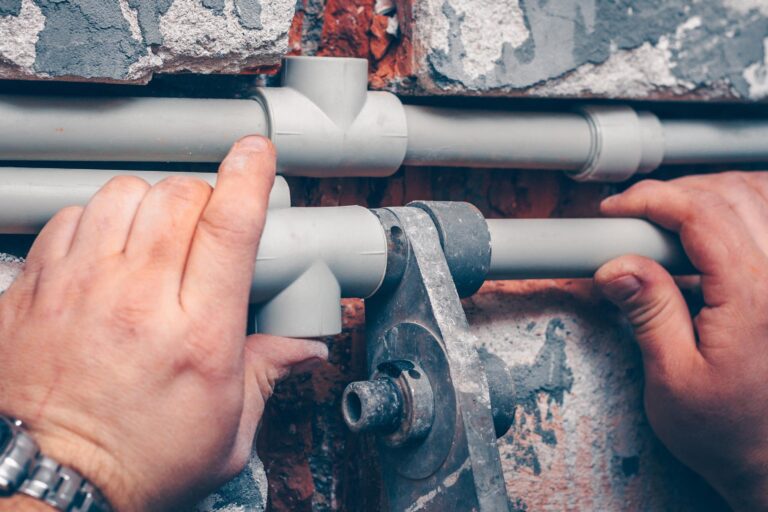
Repairing burst pipes requires more than just duct tape and wishful thinking. Professional plumbers have the expertise to determine whether a pipe can be repaired or needs complete replacement. They understand building codes, have access to proper materials, and know techniques for working in tight spaces, through walls, and in challenging conditions. For frozen copper pipes that have split, they might recommend replacing that section with more freeze-resistant PEX tubing. They’ll also ensure all repairs are done to code, which is essential for insurance claims and future home sales.
Water Extraction and Drying Assistance
Many full-service plumbing companies work alongside or directly provide water damage mitigation services. They can help extract standing water, set up industrial dehumidifiers and fans, and take moisture readings to ensure your home is properly dried. This rapid response is critical for preventing mold growth, which can begin within 24 to 48 hours of water exposure. Even if they don’t provide these services directly, they can coordinate with restoration specialists and provide documentation for insurance purposes.
Prevention Planning for the Future
After addressing the immediate crisis, a good plumbing company will help you develop a prevention strategy. They can identify vulnerable areas in your plumbing system, recommend insulation upgrades, suggest pipe rerouting for problem areas, and install freeze-prevention devices like heat tape or pipe heating cables. They might recommend installing a temperature monitoring system or upgrading to smart water shutoff valves that automatically close when they detect unusual flow patterns. This forward-thinking approach transforms a disaster into an opportunity to bulletproof your home against future freezing events.
Get Professional Help Now
When frozen pipes burst, professional help isn’t just recommended—it’s essential for protecting your home, your belongings, and your peace of mind. Contact our team at LEGACY to learn more about frozen pipes, furnace repair, and more.
Frequently Asked Questions: Identifying Frozen Pipes
How can I tell if a pipe is frozen if I can’t see the actual plumbing?
The most reliable no-see test is checking the water flow at your faucets. If you turn on a tap and only a trickle comes out, or no water appears at all despite the main valve being open, there is likely an ice blockage in the line. You should check every faucet in the house—both hot and cold. If only one faucet is affected, the freeze is localized to that specific branch; however, if none of the faucets are working, the freeze is likely located at the main service line or in a shared trunk line. Pay close attention to faucets located on exterior walls, as these are the most vulnerable.
What are the strange noises or smells associated with frozen pipes?
If you hear whistling, clunking, or banging sounds when you turn on a tap during a cold snap, it could indicate that ice is restricting the flow and causing a significant pressure imbalance. These sounds, often referred to as water hammer, occur when the moving water hits an ice blockage. Additionally, if you notice a foul or persistent odor coming from a drain or faucet, it may be because ice has blocked the vent stack or trapped sewer gases within the pipe, preventing them from escaping through the roof as they normally would. Odors are often the first sign of a freeze in the drainage side of your plumbing system.
Is visible frost on a pipe always a sign of an imminent burst?
While light condensation is normal in humid basements, actual frost or ice fuzz on the exterior of a copper, steel, or galvanized pipe is a major red flag. This indicates that the water inside has reached a sub-zero state and has already begun the expansion process. If you see this, the pipe is under extreme stress. Your goal is to thaw it slowly using a gentle heat source—like a hair dryer or heat lamp—before the internal pressure causes the metal or plastic to reach its ultimate breaking point. Never use a blowtorch, as the rapid temperature change can actually cause the pipe to explode.
Why is my faucet bulging or sweating excessively in one spot?
When water freezes, it expands by approximately 9% in volume. This expansion creates incredible force—up to 40,000 psi—which can cause pipes to bulge, balloon, or even slightly deform. If you notice a specific section of pipe that looks swollen or is dripping water, it is a sign that a hairline fracture has already occurred and is only being held together by the ice plug itself. In this situation, the pipe will begin to leak or spray the moment the ice thaws. You should shut off your main water valve immediately before attempting any thawing to prevent a catastrophic flood.
Which pipes in my home are at the highest risk of freezing during a cold snap?
The most vulnerable pipes are those located in unconditioned spaces where there is little to no insulation or heating. This includes pipes running through crawl spaces, unheated basements, attics, and garages. Additionally, any plumbing located inside an exterior wall—especially in older homes with poor wall insulation—is at high risk as the cold can penetrate the siding and studs to reach the pipe. Outdoor hose bibs (spigots) are also a primary failure point; if a garden hose is left attached, it traps water inside the faucet assembly, which then freezes and expands back into the house, often causing a burst pipe inside the wall that you won’t notice until you turn the water on in the spring.